
Neoliberalism

By Portia Jennings Portia Jennings is currently studying a master’s in human rights at the University of Sussex. Her research focuses on migrants’ rights and the rights of precarious workers within neoliberal labour markets. She previously represented asylum seekers, victims of trafficking and modern slavery in legal claims against the UK Home Office. Neoliberalism emerged […]
Colonial Intellectual Workforces

By Raewyn Connell Raewyn Connell is an Australian feminist sociologist and Professor Emerita at the University of Sydney, best known for co-founding masculinity studies and developing the influential concept of hegemonic masculinity. Her work spans gender, class, education and global social theory, including the notable book Southern Theory. Connell has published extensively and is widely […]
Fintech
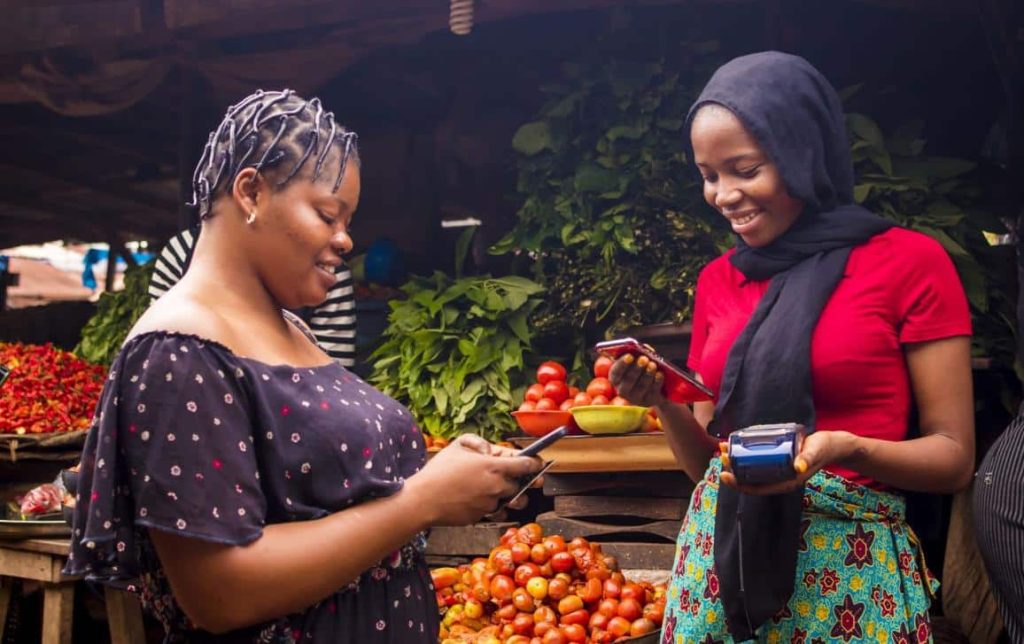
By Emma Caroe What is fintech? “Fintech”, an abbreviation of financial technology, denotes the use of digital and online technologies to support financial activities. This can range from banking to investment to insurance, but in its simplest form, fintech involves the provision of basic financial services – a payments system, savings deposit, access to credit […]
Social Reproduction

By DCC Team When we think about the economy, we usually focus on jobs, wages, markets, and production. But beneath the surface lies a vast network of often invisible labour that makes the economy — and society — possible. This is what social reproduction refers to: all the unpaid or underpaid work that goes into […]
Historical Materialism

By DCC Team Historical Materialism: Understanding How Societies Change Historical materialism, first developed by Karl Marx and Friedrich Engels, is a framework for understanding how societies evolve, persist, and eventually break down. At its core, it looks at how economic activity shapes social structures and how struggles over resources drive historical change. What Are Social […]
Surplus Populations

By DCC Team Surplus populations are people capitalism no longer needs for work or consumption. They aren’t an accident but a built-in feature of the system, growing “in the direct ratio of its own energy and extent” (Marx 1976:782). These populations embody capitalism’s contradictions, existing as both the byproducts of economic growth and the human […]
Security Industrial Complex

By DCC Team The security-industrial complex refers to the network of relationships between governments, private corporations, and security agencies that profit from and sustain “security”. Security here means systems of surveillance, border control, and detention. This is related to the rise in global migration. It is a form of racist state control and the security-industrial […]
Non-Capitalist Development
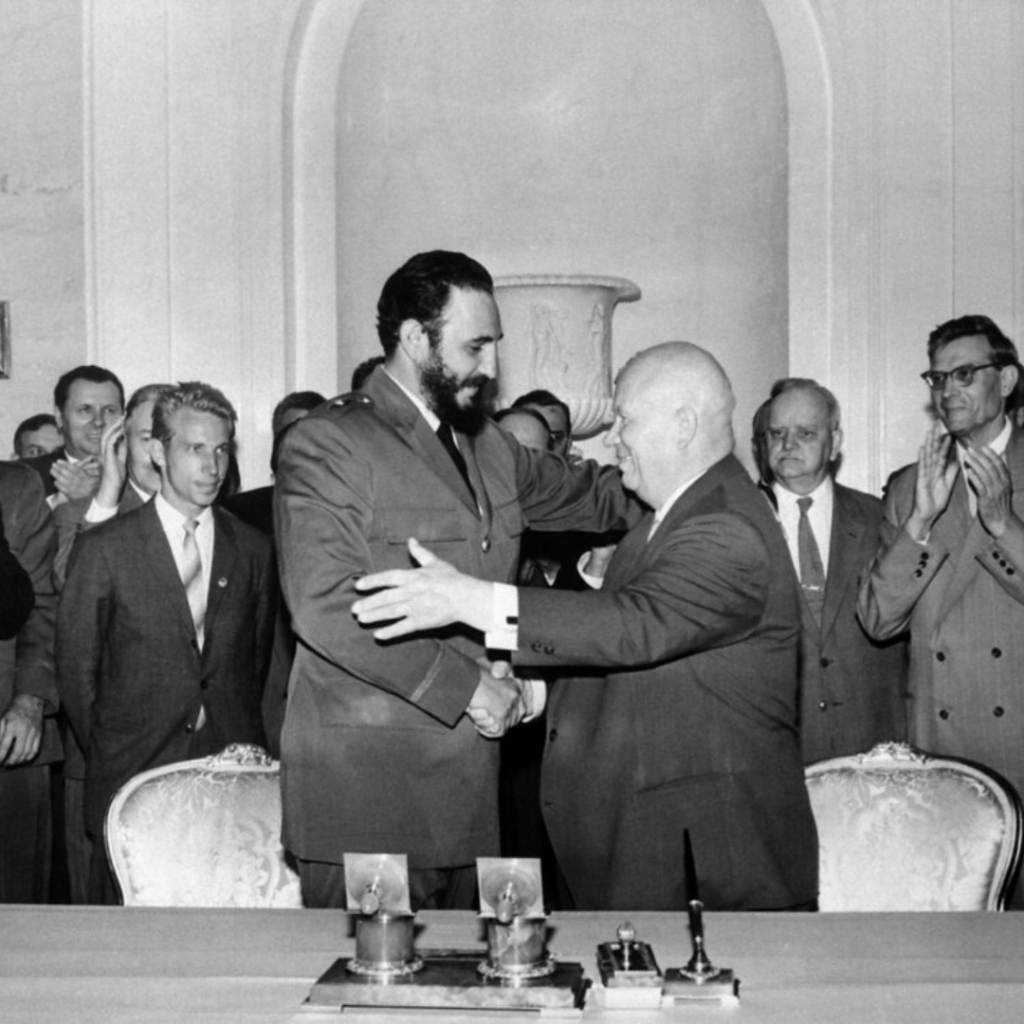
By DCC Team Non-capitalist development was a strategy promoted by the Soviet Union during the Cold War as an alternative path for newly independent nations to modernise without fully embracing capitalism or immediately transitioning to socialism. Rather than supporting revolutionary movements from below, the Soviet Union placed its faith in the leadership of states, focusing […]
Settler colonialism

By Angelique Stastny Settler colonialism is a distinct form of colonialism. In settler colonial societies, settlers come to stay and impose their sovereignties and lifestyles. It puts in place a long-lasting oppressive structure that seeks to erase Indigenous governance, economies and knowledge systems. Settler colonialism is different from exploitation colonialism in that it involves a […]
The Bandung Conference

By Selena Cai In the decade after World War II, countries unevenly reacted to Global Cold War ideologies and developed novel ideas about post-colonial sovereignty. One of these visions includes Asian-African Internationalism, which sought to promote ideals of global decolonization, international peace, and economic development. The movement began with a conference organised by India in […]
