
The Global Politics of Hunger and Starvation

We live in an era of mass starvation. In Sudan, 48 million people face a harrowing and unprecedented scale of famine and hunger, while regional sub-imperialist states extract and trade Sudanese food commodities and minerals with higher and higher profit margins. Devastating scenes from Gaza have exposed Israel’s depraved colonial food politics and the use […]
Imperialism & The Pacific Islands

By Dr. Theresa (Isa) Arriola, PhD Concordia University Today, smaller islands around the globe contend with the rise of America’s hegemonic empire, Pax Americana. If during the era of British hegemonic power – Pax Brittanica – island nations were sites for the crown’s extractive activities to be done via cheap labor, today the same is […]
Fintech
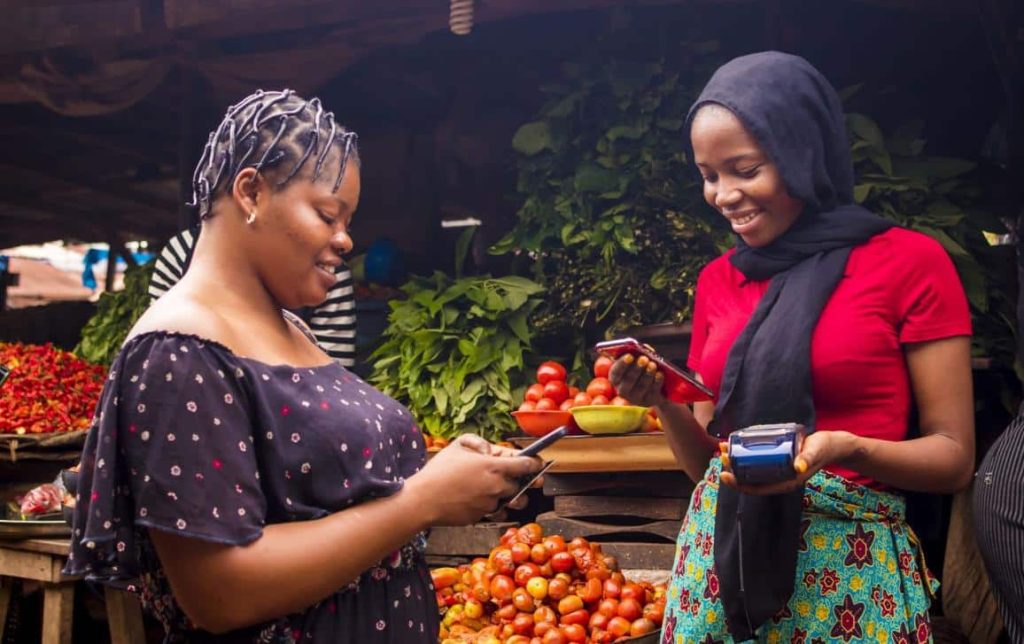
By Emma Caroe What is fintech? “Fintech”, an abbreviation of financial technology, denotes the use of digital and online technologies to support financial activities. This can range from banking to investment to insurance, but in its simplest form, fintech involves the provision of basic financial services – a payments system, savings deposit, access to credit […]
Human Zoos and the 1924 British Empire Exhibition
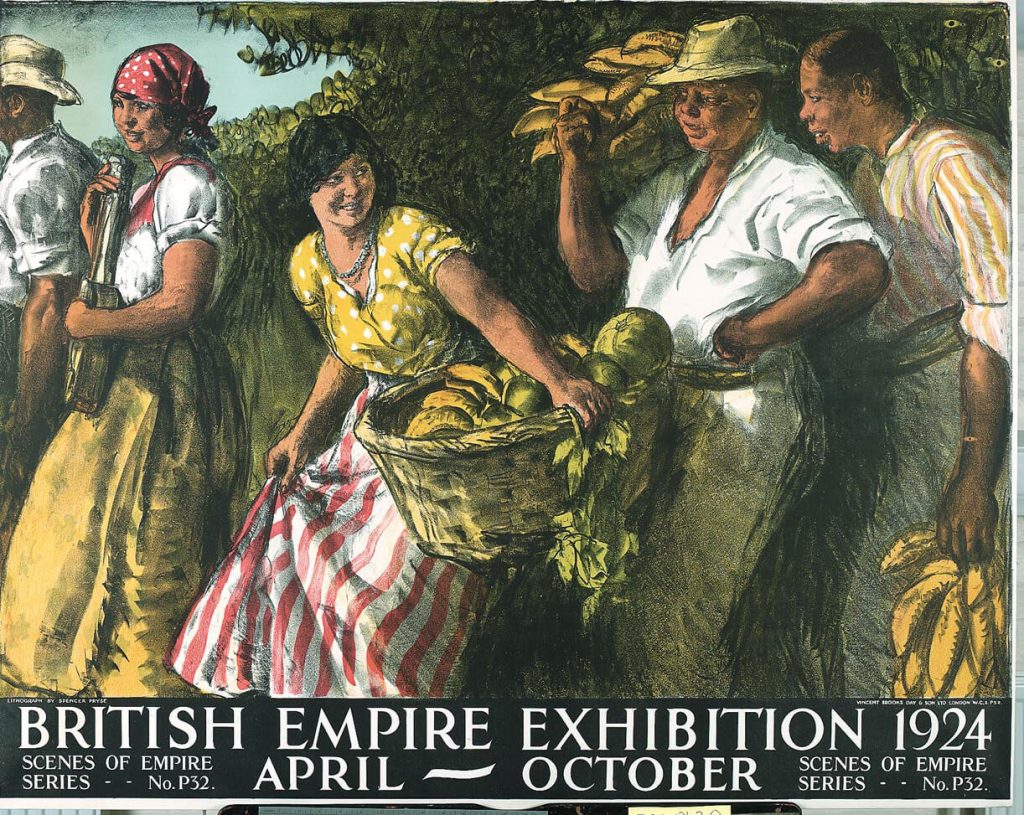
By Nabil Al-Kinani Human Zoos and the Spectacle of Empire Human zoos, or ethnographic exhibitions, were a colonial-era practice in which non-European people were displayed in fabricated environments to entertain and educate Western audiences. These exhibitions, which gained prominence in the late 19th and early 20th centuries, were rooted in pseudo-scientific racism and imperial ideology, […]
Gender and debt

By Jerome Phelps, Debt Justice Neo-colonial debt and gender Debt is the principal tool of (neo)colonial extraction today, by which the wealth of the global south flows out across its borders to rich countries and their finance companies. This has changed the gendered impact of colonial oppression. In the past, profits flowed from the exploitation […]
Social Reproduction

By DCC Team When we think about the economy, we usually focus on jobs, wages, markets, and production. But beneath the surface lies a vast network of often invisible labour that makes the economy — and society — possible. This is what social reproduction refers to: all the unpaid or underpaid work that goes into […]
Historical Materialism

By DCC Team Historical Materialism: Understanding How Societies Change Historical materialism, first developed by Karl Marx and Friedrich Engels, is a framework for understanding how societies evolve, persist, and eventually break down. At its core, it looks at how economic activity shapes social structures and how struggles over resources drive historical change. What Are Social […]
White Gods Myth In Latin America

By DCC Team One of the most enduring stories about the Spanish conquest of Mexico is that the Indigenous people, particularly the Mexica (often called the “Aztecs”), believed Hernán Cortés and his fellow conquistadors were gods. Hernán Cortés (1485–1547) was a Spanish conquistador best known for leading the expedition that resulted in the fall of […]
Surplus Populations

By DCC Team Surplus populations are people capitalism no longer needs for work or consumption. They aren’t an accident but a built-in feature of the system, growing “in the direct ratio of its own energy and extent” (Marx 1976:782). These populations embody capitalism’s contradictions, existing as both the byproducts of economic growth and the human […]
Security Industrial Complex

By DCC Team The security-industrial complex refers to the network of relationships between governments, private corporations, and security agencies that profit from and sustain “security”. Security here means systems of surveillance, border control, and detention. This is related to the rise in global migration. It is a form of racist state control and the security-industrial […]


