
Social Reproduction
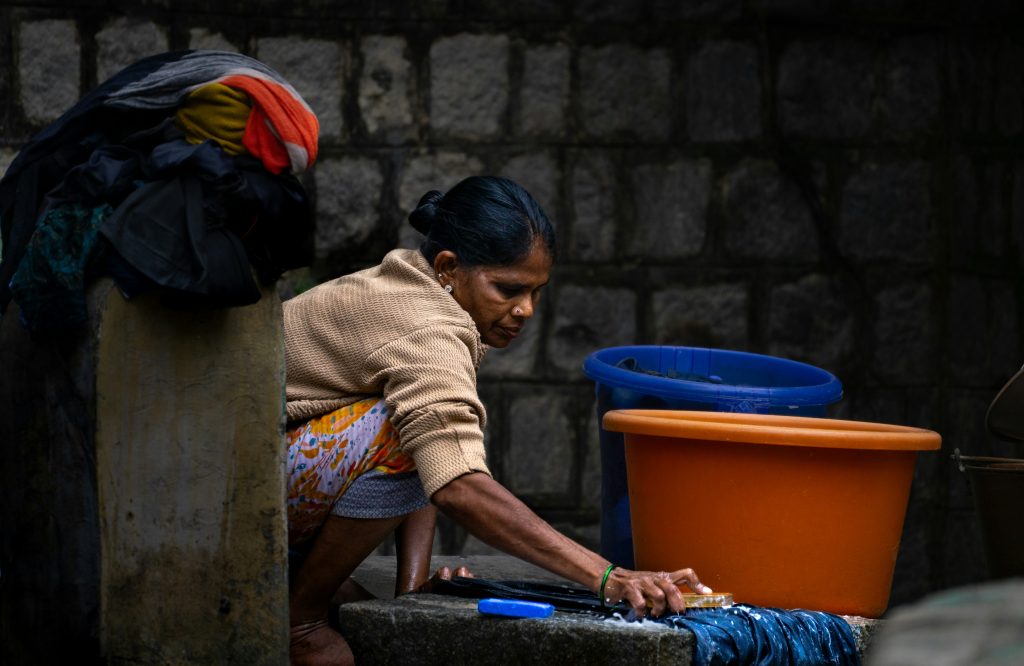
By DCC Team When we think about the economy, we usually focus on jobs, wages, markets, and production. But beneath the surface lies a vast network of often invisible labour that makes the economy — and society — possible. This is what social reproduction refers to: all the unpaid or underpaid work that goes into […]
Historical Materialism
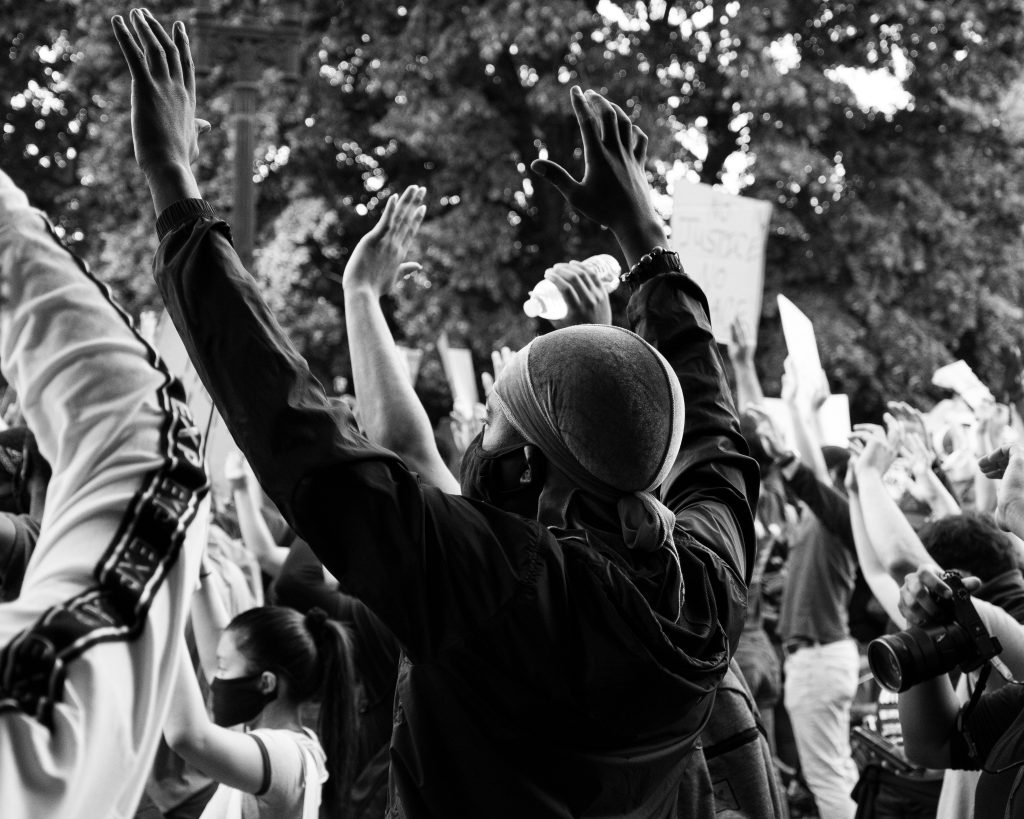
By DCC Team Historical Materialism: Understanding How Societies Change Historical materialism, first developed by Karl Marx and Friedrich Engels, is a framework for understanding how societies evolve, persist, and eventually break down. At its core, it looks at how economic activity shapes social structures and how struggles over resources drive historical change. What Are Social […]
White Gods Myth In Latin America

By DCC Team One of the most enduring stories about the Spanish conquest of Mexico is that the Indigenous people, particularly the Mexica (often called the “Aztecs”), believed Hernán Cortés and his fellow conquistadors were gods. Hernán Cortés (1485–1547) was a Spanish conquistador best known for leading the expedition that resulted in the fall of […]
Surplus Populations
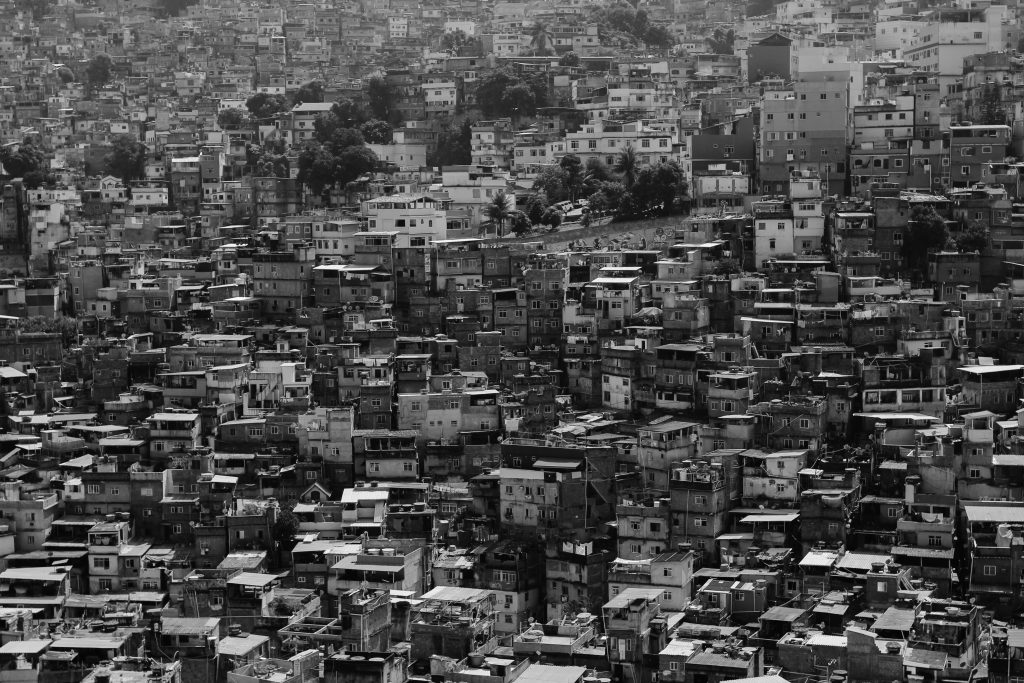
By DCC Team Surplus populations are people capitalism no longer needs for work or consumption. They aren’t an accident but a built-in feature of the system, growing “in the direct ratio of its own energy and extent” (Marx 1976:782). These populations embody capitalism’s contradictions, existing as both the byproducts of economic growth and the human […]
Security Industrial Complex
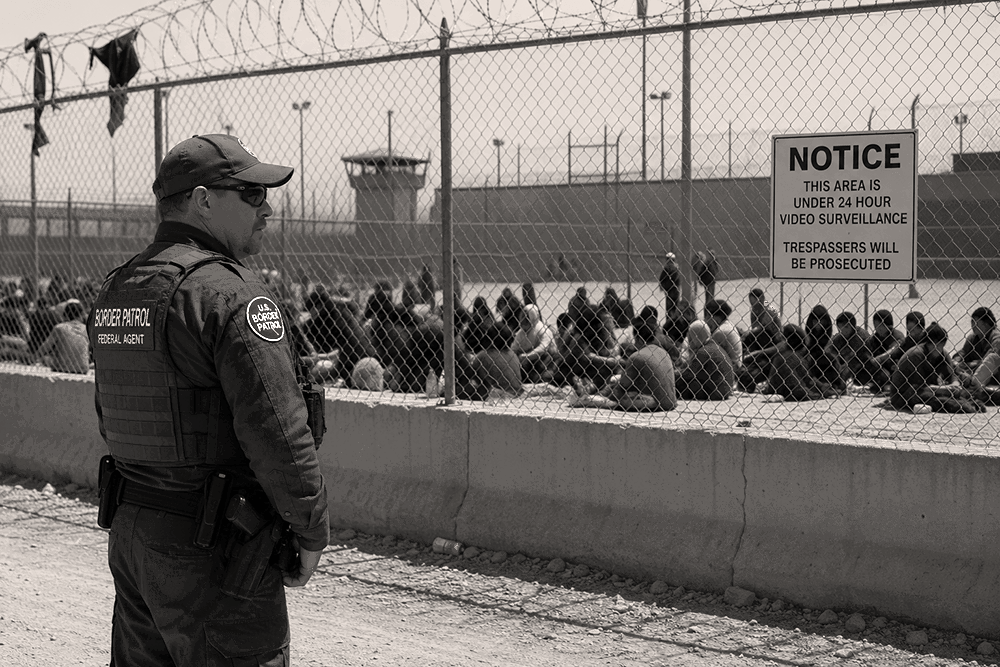
By DCC Team The security-industrial complex refers to the network of relationships between governments, private corporations, and security agencies that profit from and sustain “security”. Security here means systems of surveillance, border control, and detention. This is related to the rise in global migration. It is a form of racist state control and the security-industrial […]
Non-Capitalist Development
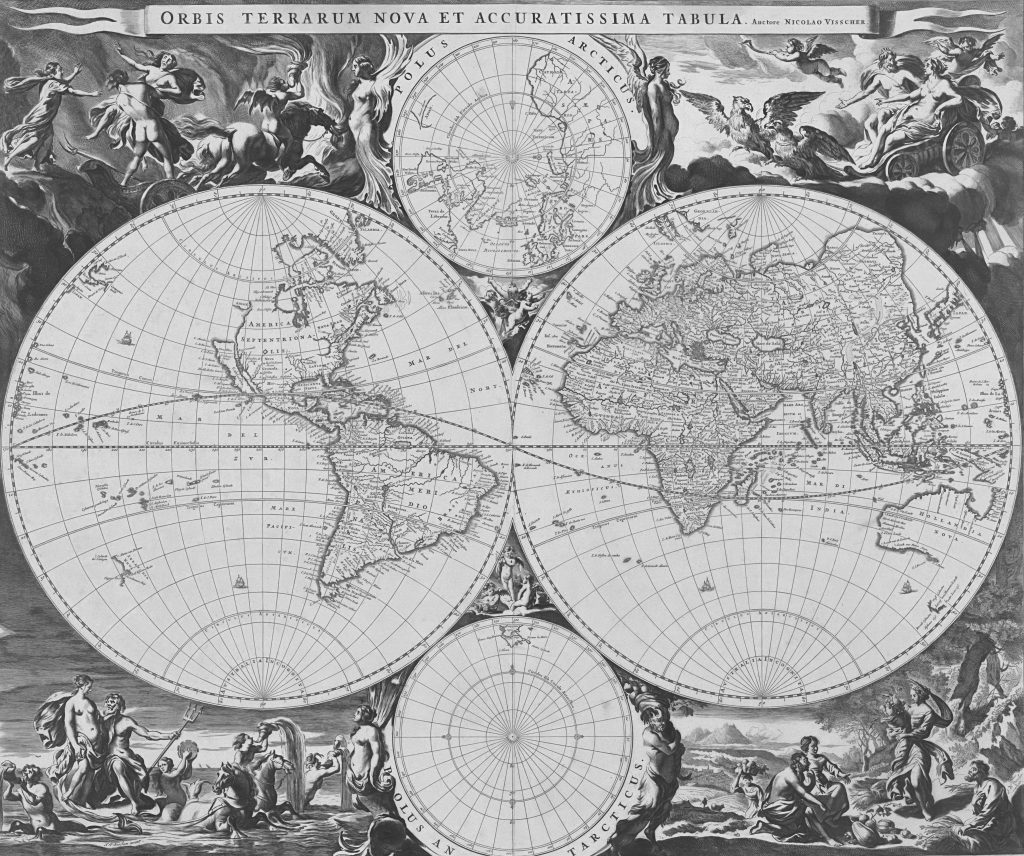
By DCC Team Non-capitalist development was a strategy promoted by the Soviet Union during the Cold War as an alternative path for newly independent nations to modernise without fully embracing capitalism or immediately transitioning to socialism. Rather than supporting revolutionary movements from below, the Soviet Union placed its faith in the leadership of states, focusing […]
Photography and Colonialism
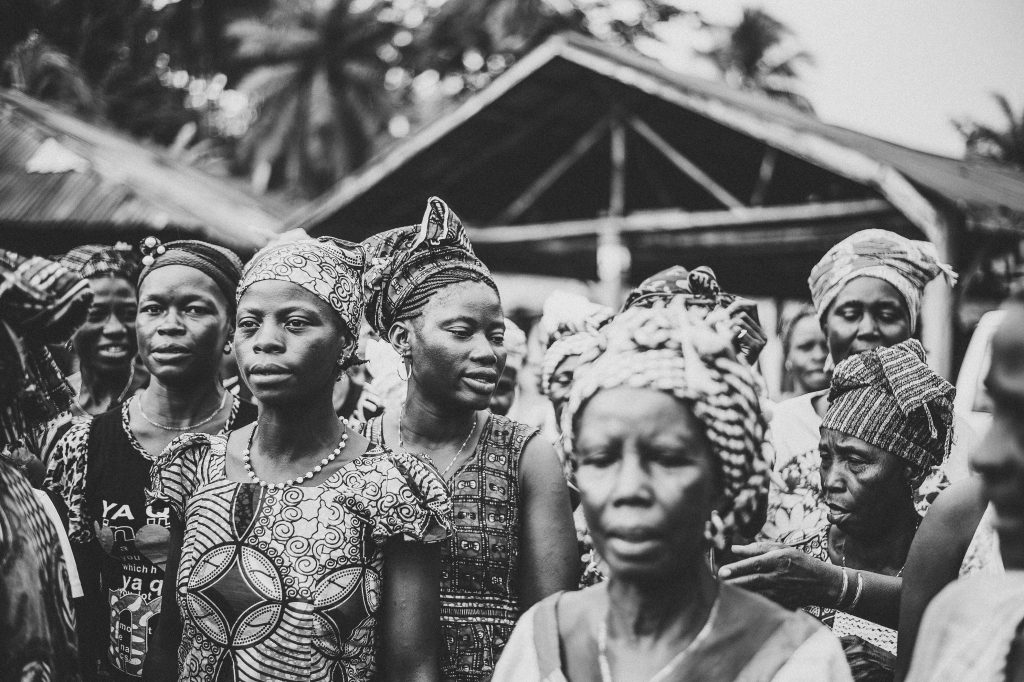
By Shikha Photographs are often seen as representing reality; especially historical photographs are thought of as authentic glimpses of the past. James Borchert, writing in the 1980s, challenged the objectivity of photographs and highlighted the significance of analysing them within the context of their subjectivities and the larger socio-political and cultural systems in which they […]
Development Displacement

By Phillip Cole Forced displacement happens when people have to leave their homes against their will and move to another area to be safe from harm, or are forcibly driven or moved from their homes. Although most people think of forcibly displaced people as refugees fleeing political violence, they in fact make up a small […]
Global Health

By Ramisha Global health is generally defined as a research, practise or study which aims to improve health and reach equity for all people worldwide. However, global health is distinct from other disciplines of health science or public health dealing with health issues on a global scale [and to] utilise research systems, knowledge bases and […]
Kanaky
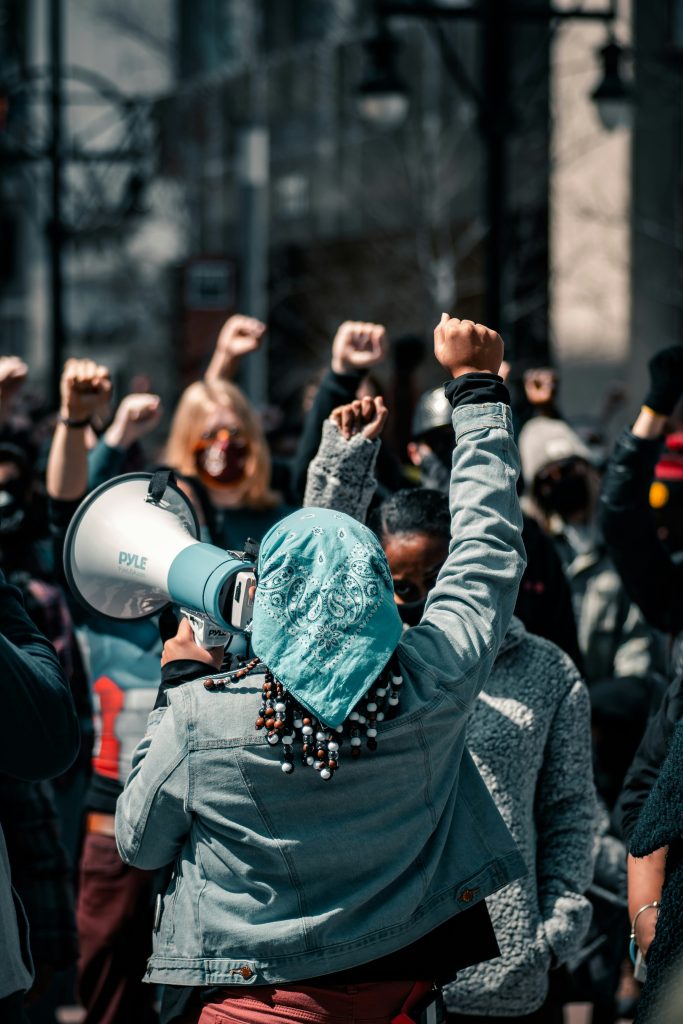
By Angelique Stastny The term “Kanak” refers to the Indigenous people of the Pacific territory commonly known as New Caledonia, located about 2,000 km off Australia’s East Coast. “Kanaky” is the name that Kanak people use to refer to their territory. The name is also used by pro-independence people and, more broadly, by people who […]


