
Eurocentrism and Coloniality of Knowledge in Contemporary Contexts

By Yasmin Carpenter Coloniality of knowledge is not a relic of the past — it is the invisible architecture that continues to shape how the world defines truth, reason, and intellectual value. While formal colonialism ended, the hierarchies of knowledge and ways of knowing it created persist in the institutions that regulate knowledge production today: […]
Coloniality of Being and the Dehumanization of the Subaltern
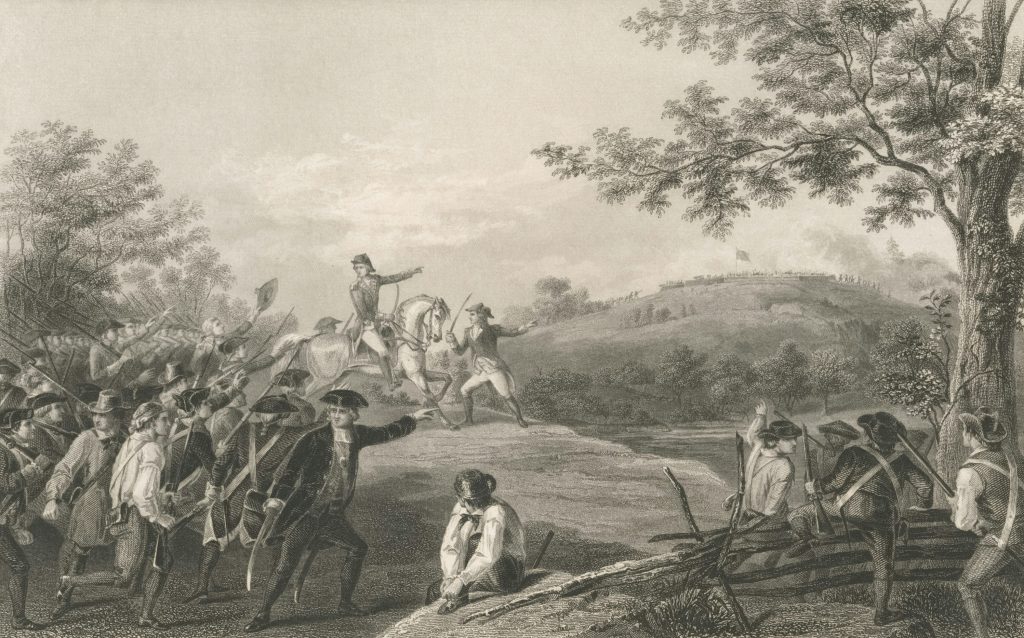
By Yasmin Carpenter The concept of coloniality of being deepens the decolonial critique by addressing the ontological dimension of colonial domination — the ways in which colonialism not only organized power and knowledge but also shaped who counts as fully human. If the coloniality of power orders the world through hierarchies of race and labor, […]
Coloniality of Knowledge and Coloniality of Power
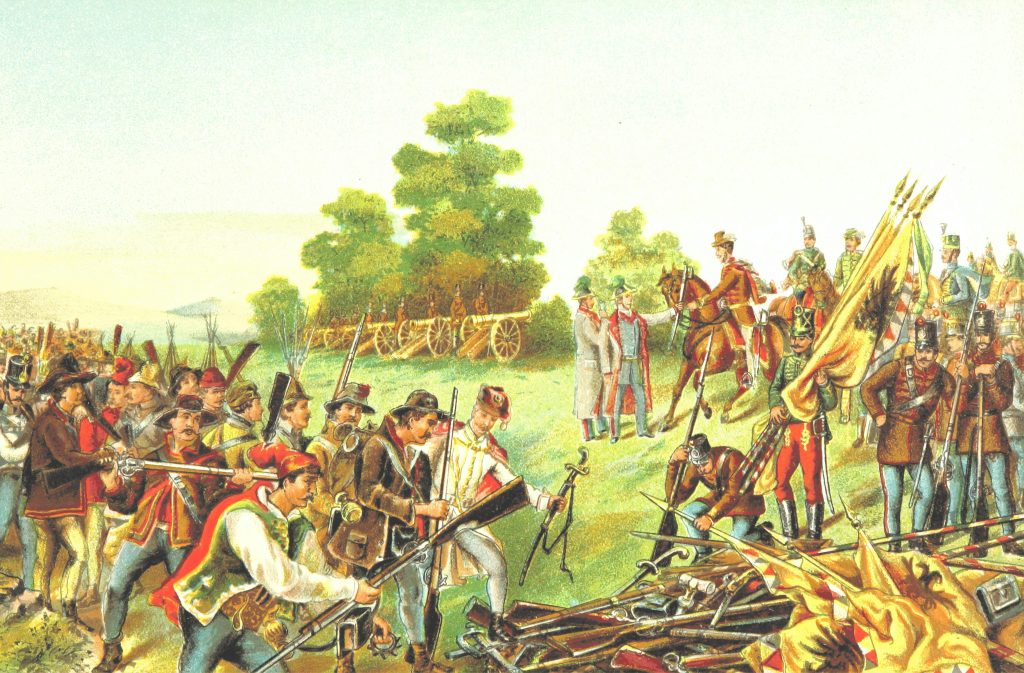
By Yasmin Carpenter The notions of coloniality of knowledge and coloniality of power are among the most influential contributions of Latin American decolonial thought. Developed by Aníbal Quijano and expanded by Walter Mignolo, Ramón Grosfoguel, and others, they describe how colonial domination operates not only through political and economic control but also through the control […]
Modernity and eurocentrism

By Yasmin Carpenter The concepts of modernity and Eurocentrism lie at the core of the decolonial critique of Western thought. Far from being neutral or universal categories, they describe a historical project that has defined what counts as reason, progress, and humanity from a specifically European standpoint. The decolonial perspective argues that modernity’s celebrated ideals—rationality, […]
Colonialism, coloniality and decoloniality
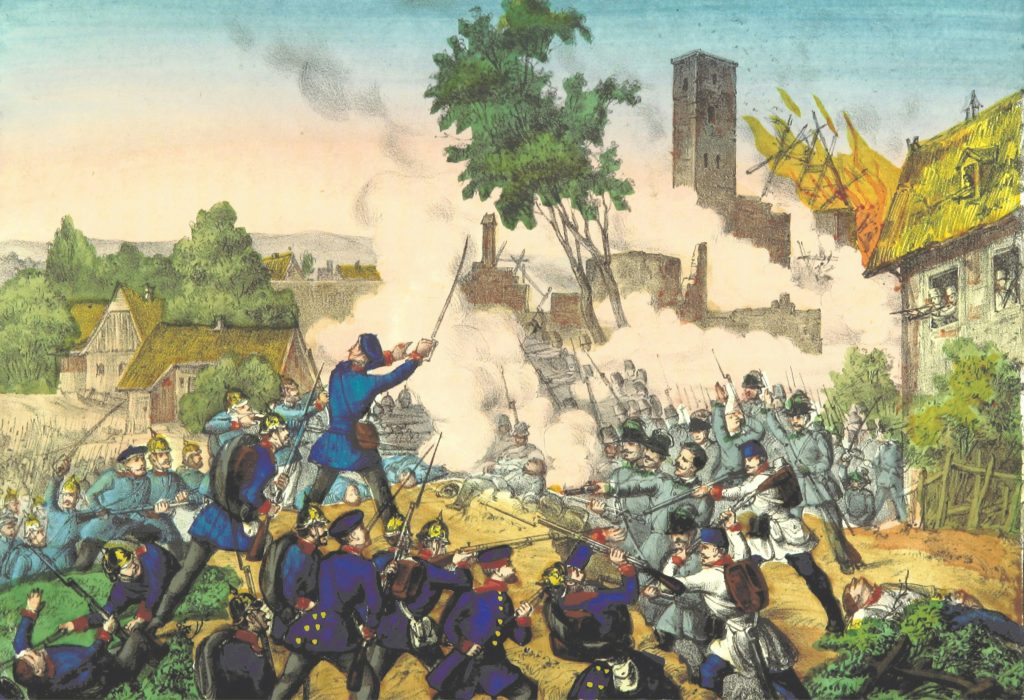
By Yasmin Carpenter The concepts of colonialism, coloniality, and decoloniality describe a historical and epistemic continuum that links past empires to present global hierarchies of power and knowledge. While colonialism refers to the formal systems of domination established through conquest, occupation, and empire, coloniality designates the endurance of those logics long after colonial administrations have […]
The Global Politics of Hunger and Starvation
We live in an era of mass starvation. In Sudan, 48 million people face a harrowing and unprecedented scale of famine and hunger, while regional sub-imperialist states extract and trade Sudanese food commodities and minerals with higher and higher profit margins. Devastating scenes from Gaza have exposed Israel’s depraved colonial food politics and the use […]
Imperialism & The Pacific Islands
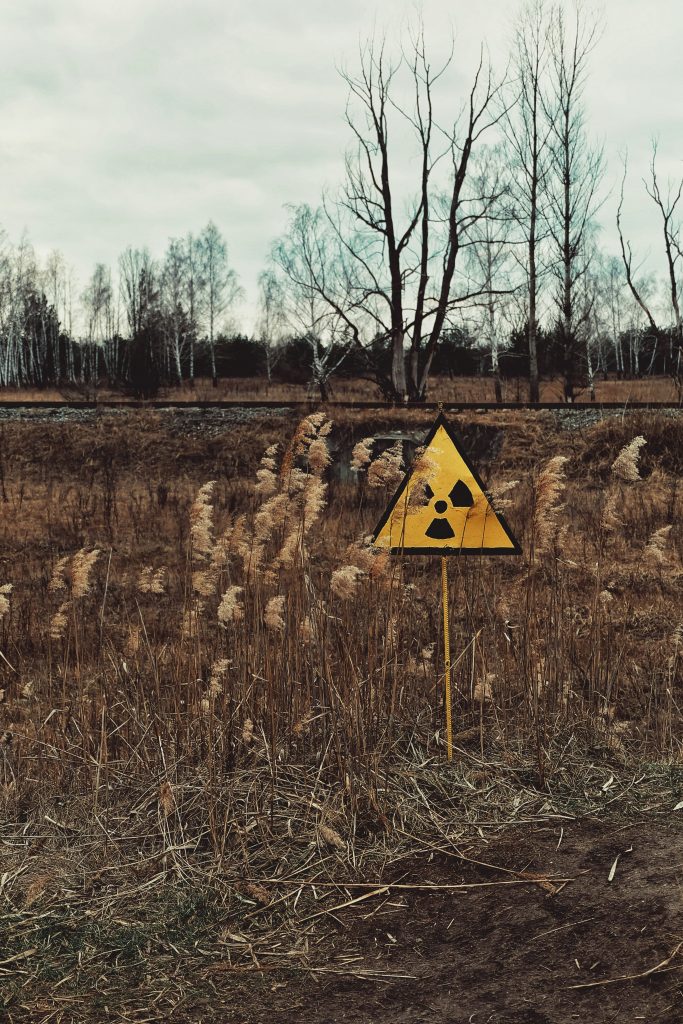
By Dr. Theresa (Isa) Arriola, PhD Concordia University Today, smaller islands around the globe contend with the rise of America’s hegemonic empire, Pax Americana. If during the era of British hegemonic power – Pax Brittanica – island nations were sites for the crown’s extractive activities to be done via cheap labor, today the same is […]
Fintech
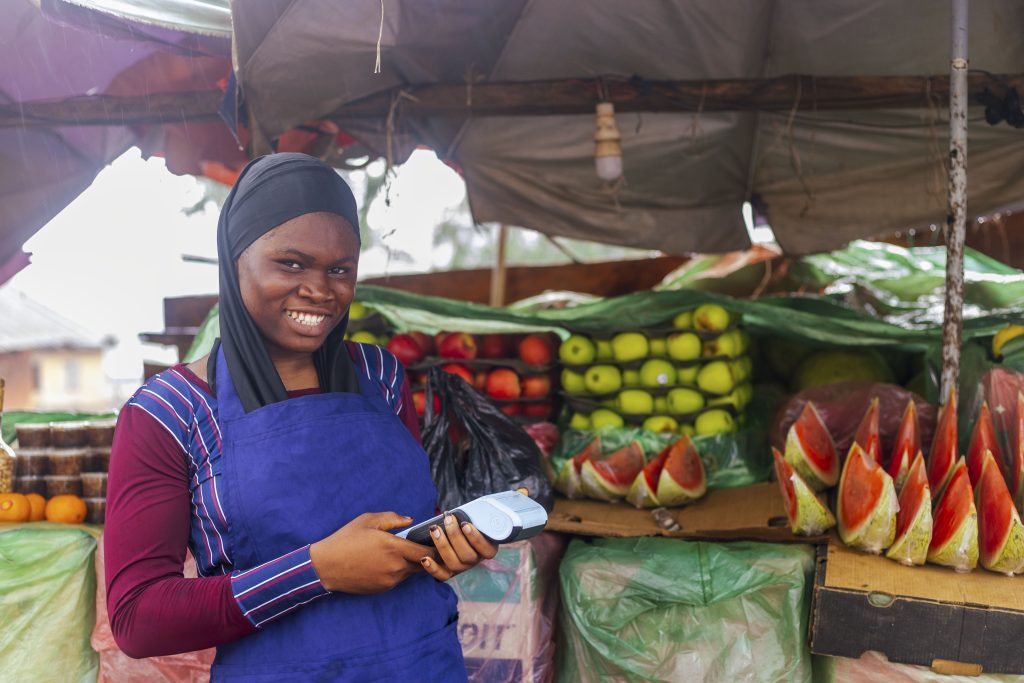
By Emma Caroe What is fintech? “Fintech”, an abbreviation of financial technology, denotes the use of digital and online technologies to support financial activities. This can range from banking to investment to insurance, but in its simplest form, fintech involves the provision of basic financial services – a payments system, savings deposit, access to credit […]
Human Zoos and the 1924 British Empire Exhibition

By Nabil Al-Kinani Human Zoos and the Spectacle of Empire Human zoos, or ethnographic exhibitions, were a colonial-era practice in which non-European people were displayed in fabricated environments to entertain and educate Western audiences. These exhibitions, which gained prominence in the late 19th and early 20th centuries, were rooted in pseudo-scientific racism and imperial ideology, […]
Gender and debt
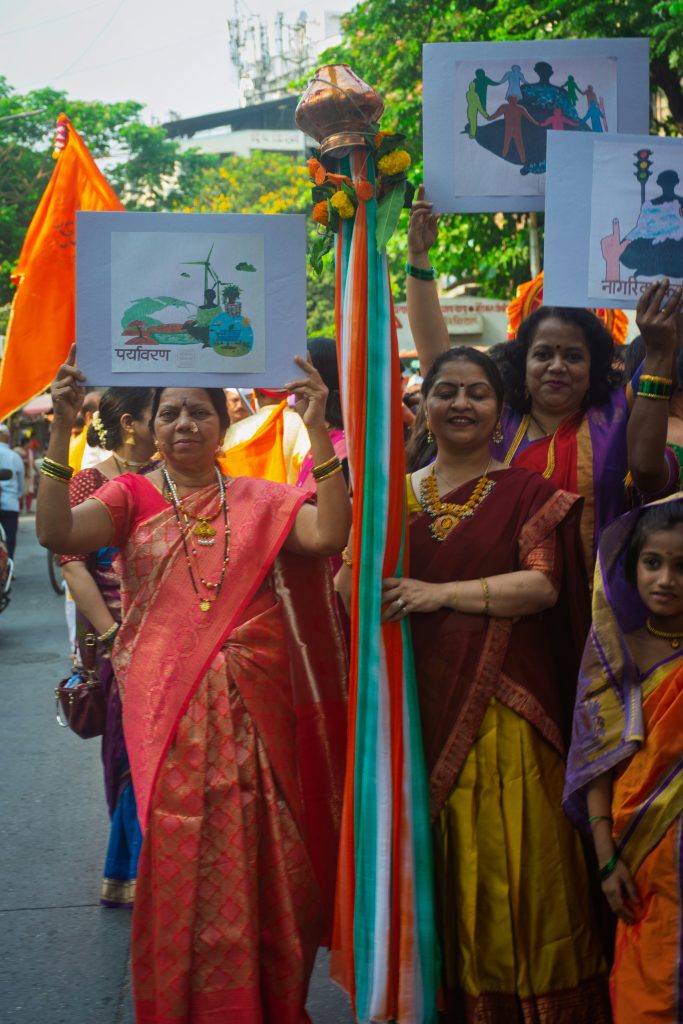
By Jerome Phelps, Debt Justice Neo-colonial debt and gender Debt is the principal tool of (neo)colonial extraction today, by which the wealth of the global south flows out across its borders to rich countries and their finance companies. This has changed the gendered impact of colonial oppression. In the past, profits flowed from the exploitation […]


