
By Dr. Theresa (Isa) Arriola, PhD Concordia University
Today, smaller islands around the globe contend with the rise of America’s hegemonic empire, Pax Americana. If during the era of British hegemonic power – Pax Brittanica – island nations were sites for the crown’s extractive activities to be done via cheap labor, today the same is true under the era of Pax Americana. Under colonialism the colonies aren’t only sources of resource extraction that subsidise the home economy of the metropole, they are also sites for toxic dumping and pollution. Colonisation operates to displace local identity, by centering a national identity crafted under the pretenses of an oppressive colonial power. It diminishes the value of people, nature, culture, and place to pave the way for further colonisation. Value to the coloniser exists through the lens of resource extraction, territorial acquisition, and geopolitical strategy. Seen from this perspective, the experience of colonialism lives on in the satellite bases of the US military’s operations across critical former independent islands and archipelagos. From Okinawa to Guahan (Guam), islands now serve as sites for ongoing American cultural imperialism. They are also quite materially colonised territories that express U.S military dominance.
French Imperialism in Tahiti
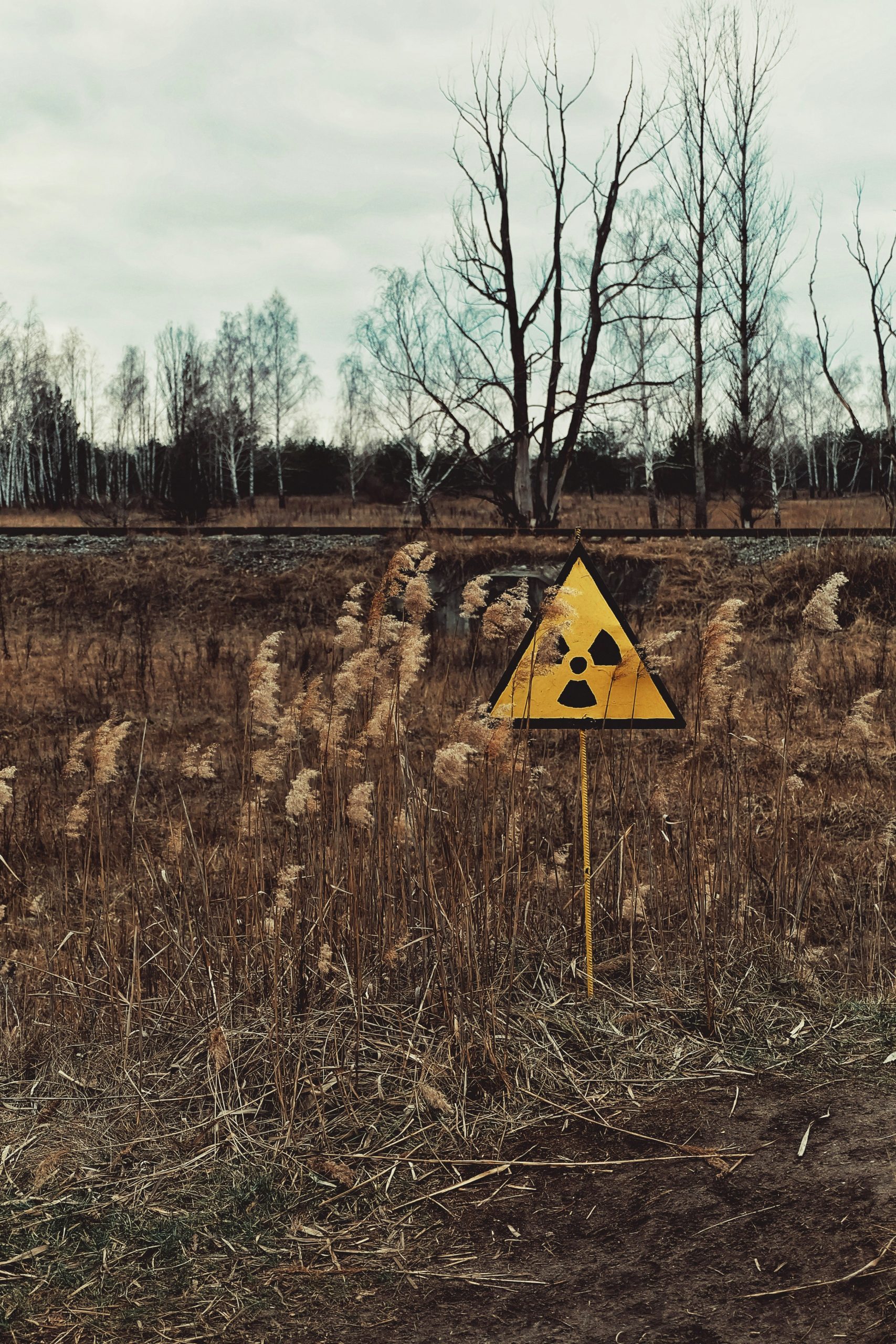
Imperialism is ever-present today. The Marshall Islands, which consists of a series of atolls islands in Micronesia, are a prime example and serve as a site for US military missile testing and operations. They host the site of Runit Dome, a nuclear mega-dump site for the US military’s nuclear bomb testing. Today, the dome is leaking radioactive materials into the surrounding soil underground due to cracks. In just over 10 years, the US tested 67 of its largest bombs in the Marshall Islands.
The U.S. is not the only Western power engaging in colonial domination over the Pacific islands. In Tahiti, the role of colonial powers in testing their most dangerous weapons for power retention resurfaced as the atmospheric and underwater testing across the Pacific region became internationally spotlighted as the Olympic surfing events were staged in the current French colonial holding. Hundreds of the superpower’s largest, most dangerous, and most harmful weapons were set off over and over again in these regions because the value of the life that existed there, the nature, and the waters mattered so little in comparison to the geopolitical jockeying by colonial superpowers. From this violent history, Pacific Islander led anti-nuclear movements such as the Nuclear Free and Independent Pacific sprang.
US dominance over the Mariana Islands (Northern Marianas Islands and Guåhan)
Colonialism and militarism often work together in a self-perpetuating cycle. The Marianas Islands are the longest colonised islands in the Pacific, beginning with Magellan’s arrival in 1521, which paved the way for multiple military interventions in the subsequent centuries. This history of colonial territorial expansion eventually caused a political split between the Guåhan and the Northern Mariana Islands. Whereas Guahan was colonised by the Spanish and eventually the Americans after the Spanish American Wars in 1898, the Northern Marianas was subsequently colonised by four major regimes beginning with the Spanish which soon led way to the Germans, Japanese and eventually the Americans in the 20th century. Today, the Northern Mariana Islands is considered a U.S. Commonwealth with limited self-government while Guåhan remains a colony. This colonial history culminated in the devastation of the islands during WWII where some of the fiercest battles between the Japanese and Americans were fought, killing many of the Indigenous population of Chamorros throughout the Marianas archipelago. Militarised framings of the islands persist today, with the Marianas considered a critical military “outpost,” America’s “tip of the spear” and one of the Pentagon’s most “strategic” locations in the Pacific. The importance of the islands for military planning remains at an all time high, with a major “build-up” or Marine transfer on the horizon. Due to growing frustrations between Okinawan residents and the increased violence of a large Marine presence, thousands of troops are being sent to Guåhan over the next decade, taxing the islands’ local infrastructure, environment, and culture. Under the guise of military “readiness” and “force projection,” Guåhan faces an onslaught of military planning including the creation of a missile defense system that continues to necessitate land taking in the name of national defense, stripping Indigenous Chamorros of their ancestral lands, and harming endangered species all while the island of Guåhan remains on the United Nations list of non-self-governing territories with no meaningful political representation.
The perpetual domination of Tinian
Just over 120 miles away from Guåhan is the island of Tinian, which once housed the atomic bombs that were then used to terrorize the people of Hiroshima and Nagasaki. Today, the island is once again being used by the U.S. Military to build a base or “divert airfield” and major fuel pipeline in the event that Guåhan becomes inaccessible during a future conflict. While the Marianas archipelago remains politically subordinated with only minimal political representation, militarization in the form of base-building, high recruitment rates, and cultural ties to the military have increased in the 21st century, solidifying the role of island communities into propping up the Military-Industrial Complex.
This conundrum we currently face is the monumental task of surfacing the very real and present modern manifestation of colonisation via the military apparatus and the compoundingly difficult navigation of how we dismantle it once and for all. Not dissimilar from the Japanese attempts to ‘whitewash’ or to ‘clean’ itself of its horrifyingly violent colonizing history as one of the main agents of imperialism in the Asian region through the implementation of Kawaii culture, a cutifying of its image, the US military uses a combination of overwhelming patriotism and a subsidizing of costs through jobs, services, and benefits that make it hard for local grassroots organisations, people, and communities to contain or counter the influence of these military bases as a site of neo-colonisation. Because of the longstanding cultural ties between the U.S. military and the low-income communities in which it draws for enlistment boosts, demilitarization work can become socially and economically isolating for individuals working for more just futures. Thus, it is critical to contextualize modern day militarization within the longer history of U.S. imperialism in the region, to gain a better understanding of its role in global domination and the ensuing history of resistance to military power as a form of colonialism over island peoples.
